
Why Cultural Resonance is Non-Negotiable in Product Success
The entrepreneurial landscape is littered with well-funded “good ideas” that failed to launch. In 2023, the statistics painted a stark picture: Black-led startups secured less than half of one percent of venture capital, while all-women teams and Latinx-led companies each hovered around a mere 2%. These figures aren’t just data points; they are indictments of traditional frameworks that inadvertently perpetuate disparities, fundamentally misunderstanding how to cultivate talent across diverse cultural groups. This isn’t merely a pipeline problem; it’s a profound misalignment of product, message, and market.
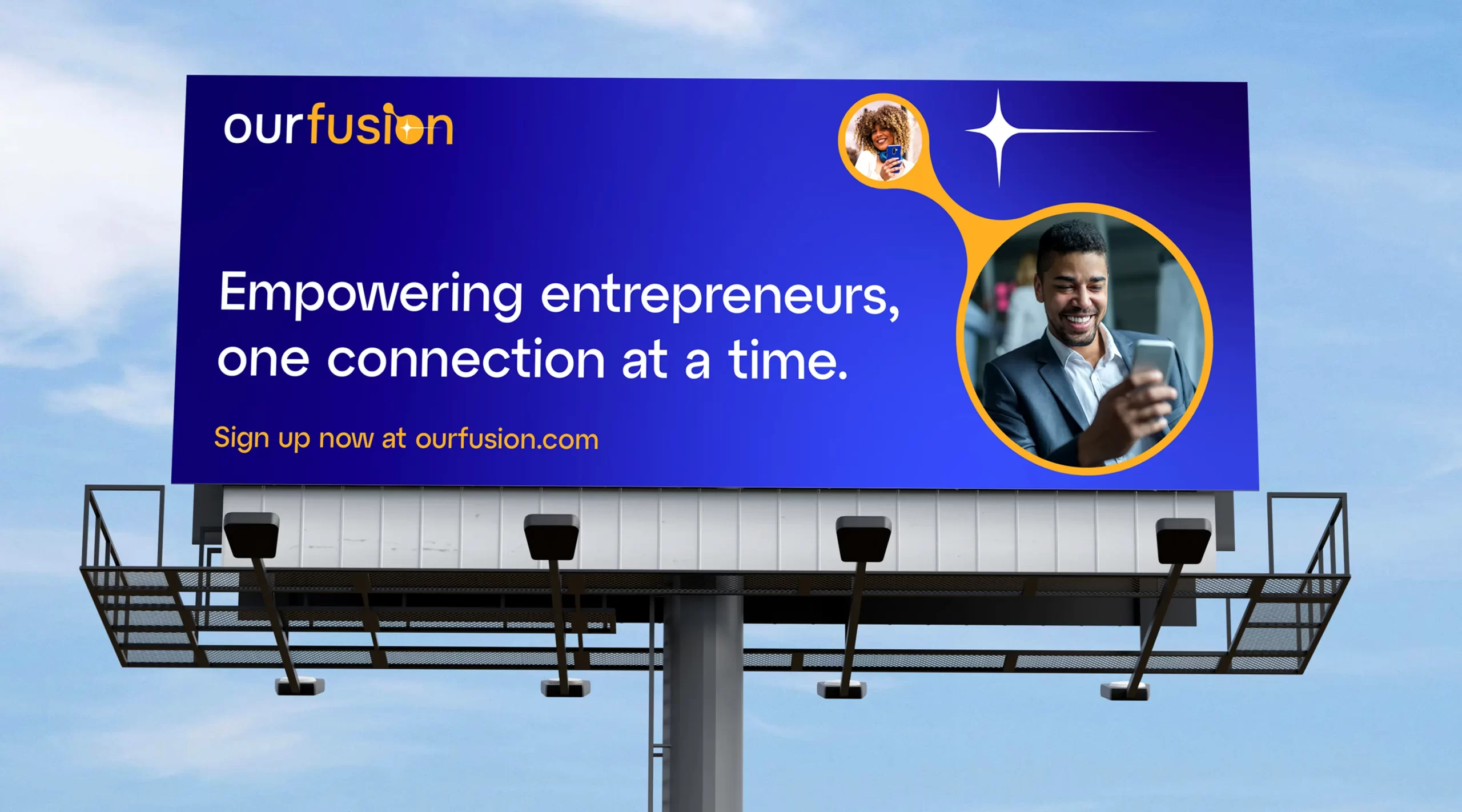
Our recent engagement with Our Fusion, a visionary platform founded by Bilal Fladger to redefine startup acceleration, threw this challenge into sharp relief. The ambition was bold: to create an inclusive-collaborative, self-directed ecosystem that truly empowers entrepreneurs, particularly those overlooked by established models. While our remit included brand strategy, rapid MVP design, and product validation, the journey unearthed a far more critical learning – one that transcends the startup sector and speaks to the core of effective product development in an increasingly diverse world: the non-negotiable impact of cultural and generational nuances on content engagement and, ultimately, product adoption.
It’s tempting to believe that a strong product, backed by a solid strategy, will universally resonate. Yet, as we moved beyond initial brand crafting and concept validation for Our Fusion, our sophisticated product testing framework began to reveal a more complex reality. This framework, designed for continuous, quantifiable feedback through an adaptive questionnaire paired with branding and UX visuals, wasn’t just validating features; it was uncovering deeply ingrained patterns in how potential users approached learning, collaboration, and trust-building.
The Echo Chamber vs. True Engagement
What emerged was not a single user persona, but a spectrum of engagement styles profoundly shaped by cultural backgrounds and generational expectations. For instance:
- Linear vs. Contextual Learning: While some user segments responded well to traditional, sequential learning modules, others sought immediate contextual application. They didn’t just want to learn about pitching; they wanted to see it, try it, and get feedback within a framework that mirrored their lived experiences, not just textbook theory. This required a shift from a purely didactic approach to one incorporating more peer-to-peer validation and real-world simulations from day one.
- Authority and Information Delivery: The perceived authority of information, and how it was delivered, varied significantly. Some cohorts valued expert-led instruction, while others placed higher trust in community consensus and peer-vetted resources. A one-size-fits-all content delivery strategy would have alienated a significant portion of Our Fusion’s intended audience. This pushed us to design an omnichannel strategy (SaaS, mobile, physical hubs) that allowed for varied modes of interaction and content consumption.
- Defining “Support” and “Collaboration”: The very definition of support and collaboration diverged. For some, it meant structured mentorship; for others, it was about informal networks and shared problem-solving. An accelerator platform aiming for inclusivity couldn’t impose a single model. It needed flexible pathways, recognizing that vital cross-functional relationships are built on varied foundations of trust and interaction styles.
These weren’t minor preference differences; they were fundamental disconnects that, if unaddressed, would have rendered even the most elegantly designed platform ineffective for the very people it aimed to serve. The “profound insight” wasn’t just an academic observation; it became the cornerstone of Our Fusion’s product roadmap optimization. It forced a move beyond demographic segmentation to true ethnographic understanding, directly informing feature prioritization, UI/UX enhancements, and the very language used in the product narrative.
From Disparity to Democratization: The Broader Implications
The journey with Our Fusion offers a potent lesson for any organization developing products or services for diverse audiences:
- Cultural Resonance is a Design Imperative, Not an Afterthought: Surface-level localization is insufficient. True engagement requires a deep understanding of how different cultural and generational groups interact with information, build trust, and define value. This understanding must be baked into the product development lifecycle from its earliest stages.
- Rethink “Validation”: User testing must go beyond feature functionality. It needs to probe the underlying cultural assumptions embedded in your product. Adaptive feedback mechanisms that capture nuanced responses are critical.
- Embrace Poly-Contextual Design: In a globalized, multi-generational world, products must be flexible enough to allow for different paths to the same goal. An omnichannel approach isn’t just about access; it’s about accommodating diverse engagement preferences.
The mission to democratize entrepreneurial success, as championed by Our Fusion, begins with recognizing that talent is universal, but opportunity and the pathways to seize it are not. By prioritizing cultural resonance, we moved beyond simply building a platform; we partnered to engineer a more equitable and effective launchpad. This isn’t just good ethics; in a world demanding authentic connection, it’s simply good business. The brands and products that will lead tomorrow are those that understand this today.